How to Buy Beauty and Skincare Products From China: A Complete Category Guide for International Shoppers
 Nicholas Chen
In 2026, Chinese beauty brands are no longer a niche interest - they're competing head-to-head with Korean, Japanese, and Western brands on formulation quality, packaging design, and price. Brands like Florasis, Perfect Diary, Proya, and Judydoll have built international followings through social media virality, and sales data from cross-border platforms confirms Western shoppers are paying attention.
But buying beauty and skincare products from China isn't the same as ordering from Sephora. You're navigating marketplaces where seller quality varies dramatically, ingredient labels aren't always in English, shipping liquids internationally introduces extra friction, and counterfeit risk is real - especially for trending items.
This guide walks through everything you need to know: where to shop, which brands are worth ordering, how to check authenticity, what shipping looks like, and which mistakes buyers most often make. I've ordered beauty products from Chinese marketplaces across half a dozen orders in the past year, and the lessons are fresh.
Where to Buy Beauty Products From China
Each Chinese marketplace serves a different need for beauty shoppers. Choosing the wrong platform for your order type leads to overpaying, receiving expired stock, or worse - fakes.
Taobao and Tmall: Best Variety for Individual Orders
Taobao and its premium sister platform Tmall carry the widest selection of Chinese beauty brands. Tmall is the safer bet for popular brands like Florasis and Proya because sellers operate official brand stores - similar to buying directly from a brand's website. Taobao has smaller independent sellers who may offer harder-to-find items, but authenticity requires more due diligence.
When I ordered a Florasis eyeshadow palette and a Proya serum in the same Taobao cart, the Tmall official store shipped the serum in branded packaging with batch codes intact, while the Taobao independent seller sent the palette in a generic box with a handwritten label. Both products were genuine, but the packaging differences highlight why checking seller ratings matters.
Best for: Established C-beauty brands, seasonal collections, individual skincare and makeup orders. Watch for: Sellers listing "OEM" or "工厂直发" (factory direct) - these are often unauthorized resellers.
JD.com: Best for Authenticity and Brand-Owned Stores
JD.com runs a stricter store approval process than Taobao. Most major Chinese beauty brands operate JD flagship stores with direct supply chains. JD also has its own logistics network, so temperature-sensitive skincare products are less likely to sit in a hot warehouse between shipping stages.
For Western buyers specifically, JD Worldwide (JD's cross-border arm) occasionally ships beauty products internationally without requiring a Chinese address, though the catalog is smaller than domestic JD. If you're using a forwarding address, domestic JD gives you the full range. Our JD.com guide covers the full registration and ordering workflow.
Best for: High-end serums, sunscreens, and dermatologist-developed brands like Winona. Watch for: Some brands only sell through WeChat mini-programs, not on JD - research the brand's official sales channels first.
1688.com: Wholesale and Private Label
If you're buying beauty products in bulk - for a small business, a group order among friends, or private label development - 1688 is the platform to use. Many Western boutique beauty brands source their packaging components, jars, and even finished formulations from 1688 suppliers.
However, 1688 is not designed for individual consumers buying a single moisturizer. Most sellers have minimum order quantities (MOQs), and ingredient transparency is weaker than on retail platforms. Our 1688.com guide explains the platform's mechanics in detail.
Best for: Bulk purchases, private label sourcing, beauty tools and accessories. Watch for: MOQs of 50-500 units are common; always request a sample before committing to volume.
Xiaohongshu (RED): Discovery and Reviews
Xiaohongshu isn't primarily a shopping platform - it's a social content app where Chinese users post detailed beauty reviews, ingredient analyses, and unboxing videos. For international buyers, RED is invaluable for researching a product before pulling the trigger on Taobao or JD. Search any C-beauty product name and you'll typically find hundreds of real-user photos showing texture, swatches, and packaging details that official product pages never show.
The platform does have an integrated shopping feature, but international checkout is not supported. Use RED for research, then buy through a supported channel.
Chinese Beauty Brands Worth Knowing in 2026
Not every C-beauty brand deserves space in your shopping cart. Here are the ones that have earned consistent positive reviews from both Chinese consumers and international buyers.
Florasis (花西子): Premium Packaging, Traditional Aesthetics
Florasis has become the flagship C-beauty export brand, known for intricate carved packaging inspired by traditional Chinese art. Their loose setting powder and engraved lipsticks generate the most international interest. Quality is competitive with mid-to-high-end Western brands, but prices on Taobao are typically 40-60% lower than what Western beauty retailers charge for equivalent products. The brand operates official Tmall and JD stores, which is the safest purchase route.
Perfect Diary (完美日记): Accessible Color Cosmetics
Often called "China's answer to NYX or ColourPop," Perfect Diary produces trend-responsive eyeshadow palettes, lip products, and base makeup at aggressive price points. Quality is solid for the price tier - expect decent pigmentation and wear time, but not luxury-grade formulations. International orders through Taobao/Tmall are straightforward, and the brand frequently runs multi-buy promotions that make sampling multiple products affordable.
Proya (珀莱雅): Science-Backed Skincare
Proya has built its reputation on ingredients-led marketing similar to The Ordinary or Paula's Choice. Their "Dual Essence" anti-aging serum and "Ruby" line are frequently cited in Chinese dermatology circles. For Western buyers, Proya's ingredient lists are well-documented - you can cross-reference them on INCIdecoder or CosDNA before purchasing. The brand ships domestically with batch codes and manufacturing dates printed clearly, which matters for active-ingredient products with limited shelf lives.
Winona (薇诺娜): Dermatologist-Developed for Sensitive Skin
Winona is the brand Chinese dermatologists actually recommend for sensitive and reactive skin. Their soothing repair cream and sunscreen formulations have clinical trial data published in Chinese medical journals. If you have eczema-prone or rosacea-prone skin, Winona is one of the few C-beauty brands where the science claims hold up under scrutiny. Available on Tmall and JD, less common on general Taobao sellers.
Judydoll (橘朵): Viral Makeup, Social-Media Driven
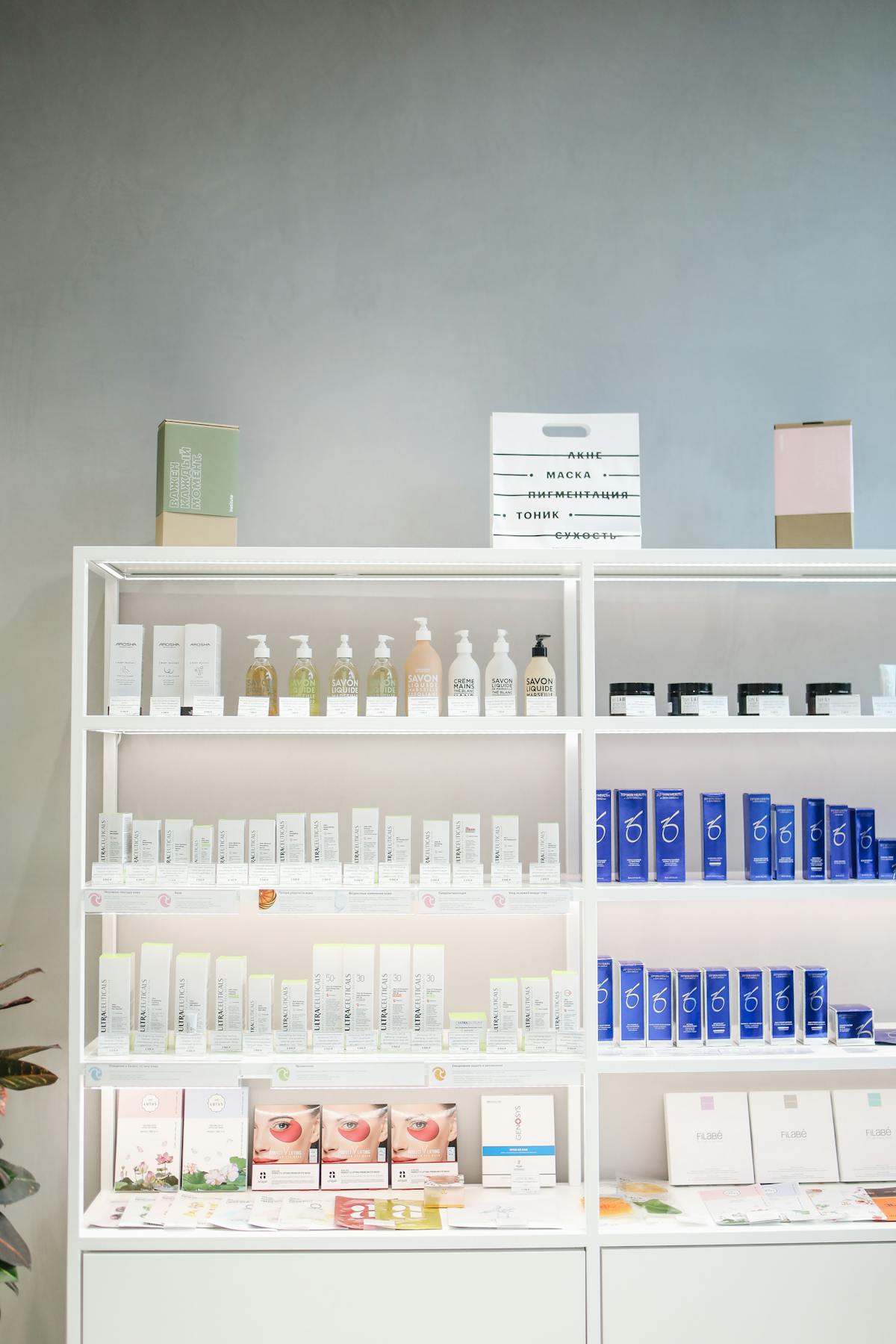
Judydoll rose to prominence through Douyin (TikTok China) and Xiaohongshu, where their single-color eyeshadows and liquid blushes consistently go viral. The brand targets Gen Z consumers with playful packaging and frequent limited-edition drops. Quality is variable - some products punch above their price, others feel cheap. Read Xiaohongshu reviews with real swatch photos before ordering.
How to Verify Product Authenticity
Counterfeit beauty products are a genuine concern on Chinese marketplaces. The risk is highest for viral products, luxury-adjacent brands, and items where the genuine version sells out frequently. Here's a practical verification workflow:
1. Check the seller's store type. On Taobao, look for "天猫" (Tmall) branding - these are verified brand-owned or authorized stores. On JD, look for "京东自营" (JD Self-Operated) or official brand flags. If it's a general Taobao seller, check their store age (older than 2 years is better), review volume, and whether they specialize in beauty or sell random categories.
2. Cross-reference the batch code. Most legitimate C-beauty products have a batch code printed on the box and the product itself. You can check batch codes on Chinese verification apps like "Cosmetic Regulatory" or the brand's official WeChat mini-program. If the seller refuses to share a batch code or the packaging lacks one entirely, walk away.
3. Compare the price to the brand's official store. If a Florasis lipstick sells for ¥219 on the Tmall flagship and a Taobao seller lists it at ¥79, it's almost certainly counterfeit. Legitimate resellers rarely discount more than 20-30% below official pricing, and even that usually means older stock.
4. Use a China buying agent with quality inspection. If you're spending more than $50 on a single order, having the agent photograph the products upon warehouse arrival adds a layer of verification. They can check for missing batch codes, damaged seals, or obvious packaging discrepancies before the parcel leaves China.
Ingredient Safety and What to Look For
Chinese cosmetics regulations (CSAR, implemented fully in 2022-2023) require ingredient disclosure and safety assessments for products sold domestically. In practice, enforcement is stronger for Tmall flagship stores than for random Taobao sellers. Here's what international buyers should specifically check:
Preservatives and active ingredients. C-beauty formulations sometimes use preservative systems (like methylisothiazolinone or MI/MCI blends) that are restricted or banned in the EU. If you have sensitive skin, paste the ingredient list into INCIdecoder.com before ordering.
Hydroquinone, mercury, and steroids. Whitening and "spot removal" creams from unregulated sellers have occasionally tested positive for hydroquinone (banned in OTC products in the EU, prescription-only in the US) or topical corticosteroids. Stick to Tmall/JD official stores for any product making whitening claims, and avoid "miracle" spot-removal creams from general Taobao sellers.
Sunscreen reliability. Chinese sunscreens must pass SPF/PA testing under CSAR, but independent lab tests by Chinese consumer groups have occasionally found discrepancies between labeled and actual SPF values for smaller brands. Winona, Proya, and Mentholatum China sunscreens have consistently passed third-party verification.
Ingredient translation tools. Google Lens can translate ingredient lists from product photos in real time. For more precision, copy the Chinese ingredient text and paste it into a translation tool - cosmetic ingredient names follow consistent translation patterns, so after a few products you'll recognize key terms.
Shipping Cosmetics Internationally: What Actually Works
Shipping beauty products from China introduces extra friction compared to ordering clothes or electronics. Liquids, aerosols, and alcohol-based products (toners, setting sprays, nail polish) face airline and customs restrictions that vary by carrier and destination country.
Carrier restrictions summary:
- China Post / EMS: Generally accepts non-aerosol skincare (creams, serums, powders). Alcohol-based toners and nail polish are restricted. Delivery to the US and Europe takes 10-25 days.
- DHL / FedEx / UPS: Accept cosmetics but require proper dangerous goods documentation for alcohol-based products. Faster (5-10 days) but 2-3× more expensive than postal options.
- China freight forwarders / consolidation services: Most parcel forwarding services know exactly which carriers accept beauty products and will repackage orders to minimize shipping cost. This is the most practical route for multi-brand beauty hauls.
Practical packing tips: Ask your seller or forwarder to wrap liquid products individually in sealed plastic bags inside the box. A single leaked toner can ruin an entire order - I learned this the hard way when a loose serum cap soaked three eyeshadow palettes during transit.
Temperature sensitivity: If you're ordering vitamin C serums, retinol, or probiotic skincare in summer, consider paying extra for expedited shipping. Standard postal routes can expose parcels to 40°C+ (104°F+) in transit hubs, which degrades active ingredients.
Customs and Import Regulations
Beauty products face different import rules than general merchandise. Here's what to expect by region:
United States: The FDA regulates cosmetics imports. Personal-use quantities (typically under $800 total value) rarely face inspection for individual orders. However, products making drug claims (anti-acne, anti-aging, SPF) may be classified as drugs and face stricter scrutiny. Avoid ordering large quantities of a single product - it can look like commercial importing.
European Union: EU cosmetics regulations (EC 1223/2009) require a Responsible Person within the EU for commercial imports. For personal use, enforcement is lighter, but customs may check for banned ingredients (certain preservatives, UV filters not approved in the EU). The EU's €150 duty-free threshold for imports applies. Above that, expect VAT plus potential customs duties.
United Kingdom: Post-Brexit, UK follows UK Cosmetics Regulation (UKCR). Personal imports under £135 face no customs duty, but VAT applies at the point of sale or on import. Products containing restricted ingredients may be seized if inspected.
Australia: The TGA (Therapeutic Goods Administration) draws a line between cosmetics and therapeutic goods. Skincare products making SPF claims or acne-treatment claims may be classified as therapeutic and require TGA registration. Stick to products marketed purely as cosmetics to avoid complications.
Bottom line: For personal-use orders under $150-200, most beauty products clear customs without issues across all major Western markets. The risk increases with order value, product claims, and ingredient profiles. When in doubt, order a small test shipment first.
Common Mistakes When Buying Beauty Products From China
Over multiple orders, I've catalogued the mistakes that consistently trip up first-time beauty buyers:
Ordering without checking the ingredient list. Product pages on Taobao and JD often omit full ingredient lists, especially for smaller brands. Always ask the seller for the complete 成分表 (ingredient list) before ordering, or search for the product on Xiaohongshu where users frequently post ingredient breakdowns.
Ignoring batch dates on active-ingredient products. Chinese regulations require manufacturing dates on cosmetics packaging, but some sellers offload near-expiry stock at deep discounts. If you're buying vitamin C, retinol, or chemical sunscreen, confirm the production date - anything older than 12 months from manufacture is a pass for actives.
Assuming all "natural" or "herbal" claims are legitimate. Traditional Chinese Medicine (TCM) ingredients like ginseng, cordyceps, and pearl powder are common in C-beauty marketing. Some have evidence behind them; many don't. A product labeled "natural herbal formula" is not inherently safer or more effective - evaluate the full ingredient list, not the marketing copy.
Buying products that are also sold on AliExpress or Shein. If a C-beauty product is readily available on AliExpress or Shein with international shipping, there's rarely a reason to go through the complexity of ordering from Taobao and forwarding. These platforms have already solved the international logistics piece. Reserve the Taobao/JD/forwarder route for products that aren't available through any Western-facing channel.
Is It Worth It? A Realistic Assessment
For specific use cases, buying beauty products from Chinese marketplaces is genuinely worth the effort:
- You want Florasis, Judydoll, or niche C-beauty brands that aren't available through Western retailers or AliExpress.
- You're buying multiple products from different brands and plan to consolidate through a forwarding service - the per-item shipping cost drops significantly.
- You're sourcing for a small business and need wholesale pricing on beauty tools, packaging, or private-label formulations via 1688.
- You have specific skin concerns that Chinese dermatologist-developed brands (like Winona) address better than Western options at your price point.
It's probably not worth the effort if:
- The product is available on YesStyle, Stylevana, or AliExpress with direct international shipping - the cost difference after factoring in forwarding fees is usually negligible.
- You're ordering only one or two small items - the fixed costs of international shipping will dominate.
- You need the products urgently - expect 2-4 weeks from order to delivery for the Taobao-to-warehouse-to-international pipeline.
The C-beauty market in 2026 is legitimately exciting - formulations are improving, packaging design is world-class, and prices are competitive. But the cross-border buying process still requires more effort than ordering from a Western beauty retailer. Approach it with realistic expectations, use the right platform for your order type, and always verify before you trust. If you follow the steps in this guide, your first beauty order from China should arrive intact, authentic, and worth the wait.
About the author: This guide is based on personal experience ordering beauty and skincare products from Taobao, Tmall, JD.com, and 1688 over a 12-month period. Every recommendation reflects real orders, verified receipts, and products that arrived intact at a forwarding warehouse - not brand partnerships or sponsored placements.