Best Way to Pay Taobao and 1688 From Overseas: What Actually Works Without a Chinese Bank Card
 Nicholas Chen
By Nicholas | CNCartGo Editorial Team
For overseas buyers, the best way to pay Taobao and 1688 in 2026 is rarely the one that looks simplest on the first screen. The real problem is not only sending money. It is whether the order can still survive seller clarification, platform friction, item changes, domestic freight updates, and final warehouse handling after the first payment goes through.
That is where buyers lose time and margin. We have seen the same pattern across small test orders, mixed-platform shopping carts, and repeat sourcing batches. The buyer focuses on whether a card or wallet can complete checkout, but the order actually breaks one step later. Taobao asks for a flow the overseas buyer cannot finish smoothly. A 1688 seller confirms the real freight only after review. The buyer uses one payment method for one platform and a completely different workflow for the next, then ends up with scattered records and weak control.
So the better comparison is not card versus wallet in the abstract. It is which payment route still leaves you with clean order visibility after the platform, seller, and warehouse each add their own layer of reality.

Short Answer
For most overseas buyers without a Chinese bank card, the best way to pay Taobao and 1688 in 2026 is a supported buying-agent workflow, not repeated attempts to force direct platform checkout. Direct payment can work in narrow cases, especially on simpler Taobao orders, but it usually becomes fragile when the order needs seller communication, quantity changes, domestic freight confirmation, mixed-platform consolidation, or a second payment after warehouse intake. If your order is simple retail shopping, direct checkout is worth trying once. If your order matters commercially or operationally, a supported payment workflow is the stronger recommendation.
What Buyers Are Actually Choosing Between
In practice, overseas buyers are usually choosing between three payment routes:
- direct platform checkout when the platform allows it and the buyer can complete the flow
- third-party assisted payment that solves the transaction but not the rest of the order
- buying-agent payment workflow that covers payment, seller communication, order tracking, and warehouse coordination together
The difference matters because Taobao and 1688 fail in different ways. Taobao friction is often checkout access, account setup, or payment acceptance. 1688 friction is more operational: seller-side clarification, MOQ logic, domestic freight, and the fact that the platform was not designed around overseas buyer expectations. That is why paying on 1688 as an international buyer usually needs more than a payment fix alone.
When Direct Payment Is Good Enough
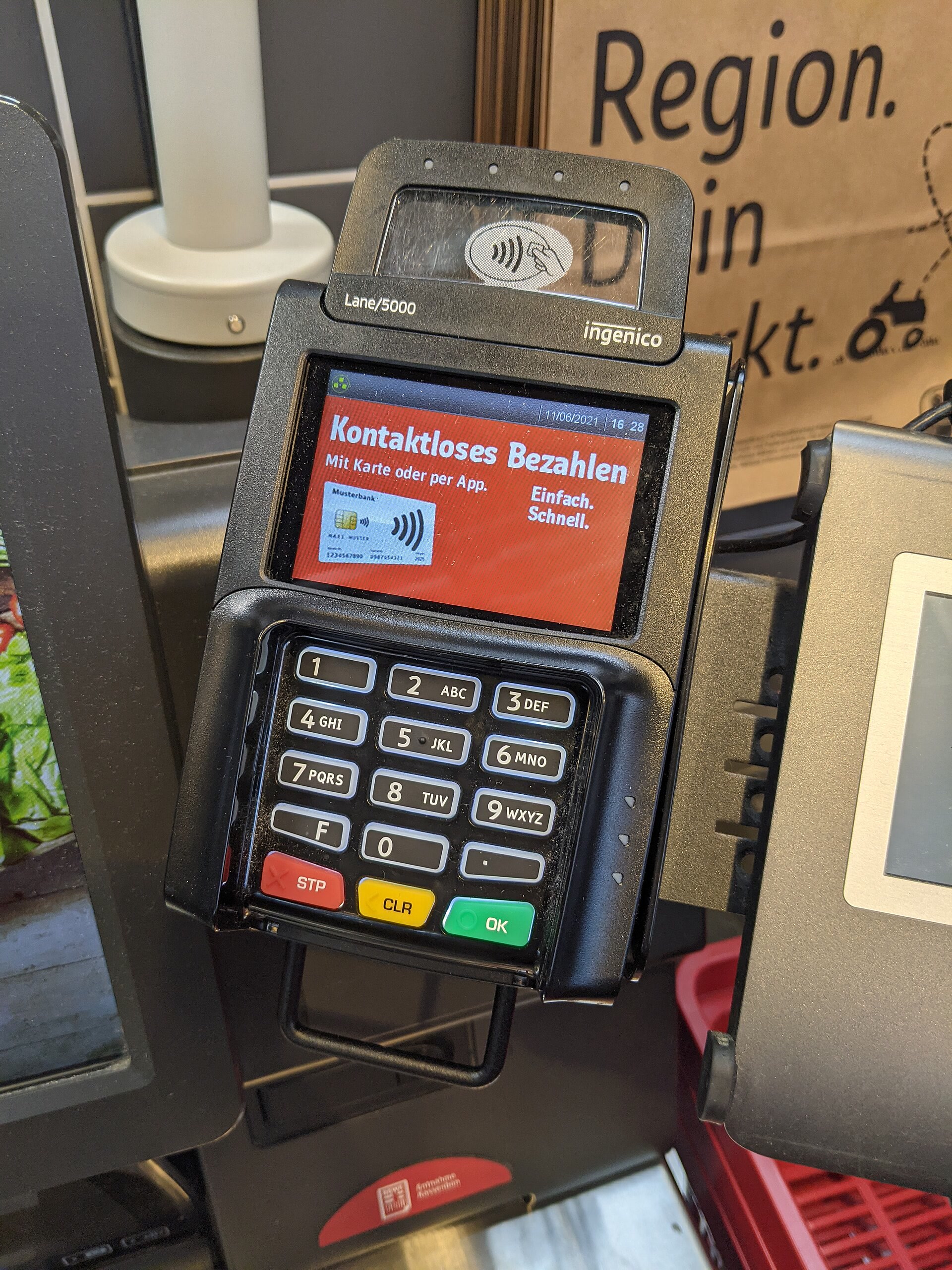
Direct payment is still the fastest option when four things are true at the same time: the listing is clear, the order is low-risk, the platform accepts the payment flow cleanly, and the buyer does not need much help after checkout. That often describes a straightforward Taobao retail purchase better than a 1688 order.
If you are buying one simple item, already understand the seller listing, and do not expect negotiation or post-payment changes, trying direct checkout first can be rational. Our rule is simple: use direct payment only when the order can tolerate low support. Once the order needs clarification, consolidation, or exception handling, the apparent convenience drops fast. Buyers dealing with Taobao friction should compare this against what to do when you cannot pay Taobao directly instead of wasting time on repeated failed attempts.
Why 1688 Usually Changes the Recommendation
1688 is where many overseas buyers overestimate the value of a payment-only solution. Even when the payment step can be completed, the order may still need supplier confirmation, domestic freight updates, packaging clarification, or sample checks before it becomes a clean export order. In other words, the transaction is only one checkpoint.
That is why the best payment method for 1688 is often the workflow that keeps seller communication and payment in the same chain. If the supplier adjusts quantity, changes carton count, or quotes freight after review, the buyer needs a workflow that can explain the change and record it cleanly. A payment route that only solves the first checkout step is often too weak for 1688 buying.
A Practical Comparison Table
| Payment route | Best for | Main strength | Main weakness |
|---|---|---|---|
| Direct platform checkout | Simple Taobao retail orders | Fastest when it works | Weak support when the order changes after checkout |
| Third-party assisted payment | Buyers who only need a transaction completed | Can unblock a failed payment | Often does not solve seller communication or warehouse workflow |
| Buying-agent payment workflow | 1688 orders, mixed carts, and commercial test orders | Keeps payment, order notes, and warehouse handling connected | Not always the cheapest headline option |
What We Recommend by Buyer Type
For casual Taobao shoppers
Try direct checkout first if the order is simple and low-risk. If it fails once or twice, move to a supported route quickly instead of treating checkout as the whole project. The time cost usually becomes larger than the service fee.
For 1688 sample buyers
Use a workflow that combines payment with supplier clarification. Samples only help when the product, variant, and real cost structure are still visible after payment. A payment-only shortcut often leaves too much uncertainty in place.
For mixed-platform buyers
Use one payment system that can track Taobao, 1688, and other platform orders together. Buyers who split the workflow by platform often end up paying for confusion later. The stronger model is the one described in cross-platform buying with one cleaner workflow.
For repeat business buyers
Optimize for control, not only for the first transaction fee. Once you care about reorder decisions, landed cost, and clean records, the best payment route is the one that still works when the order needs edits, balance requests, or final shipping decisions.
That is also why overseas buyers comparing options should read how buyers handle Taobao and 1688 without Chinese payment tools and pair it with a practical Taobao buying workflow. The best answer is rarely just "use card X" or "use wallet Y." The stronger answer is the payment path that still leaves the rest of the order manageable.
The Mistake Buyers Make Most Often
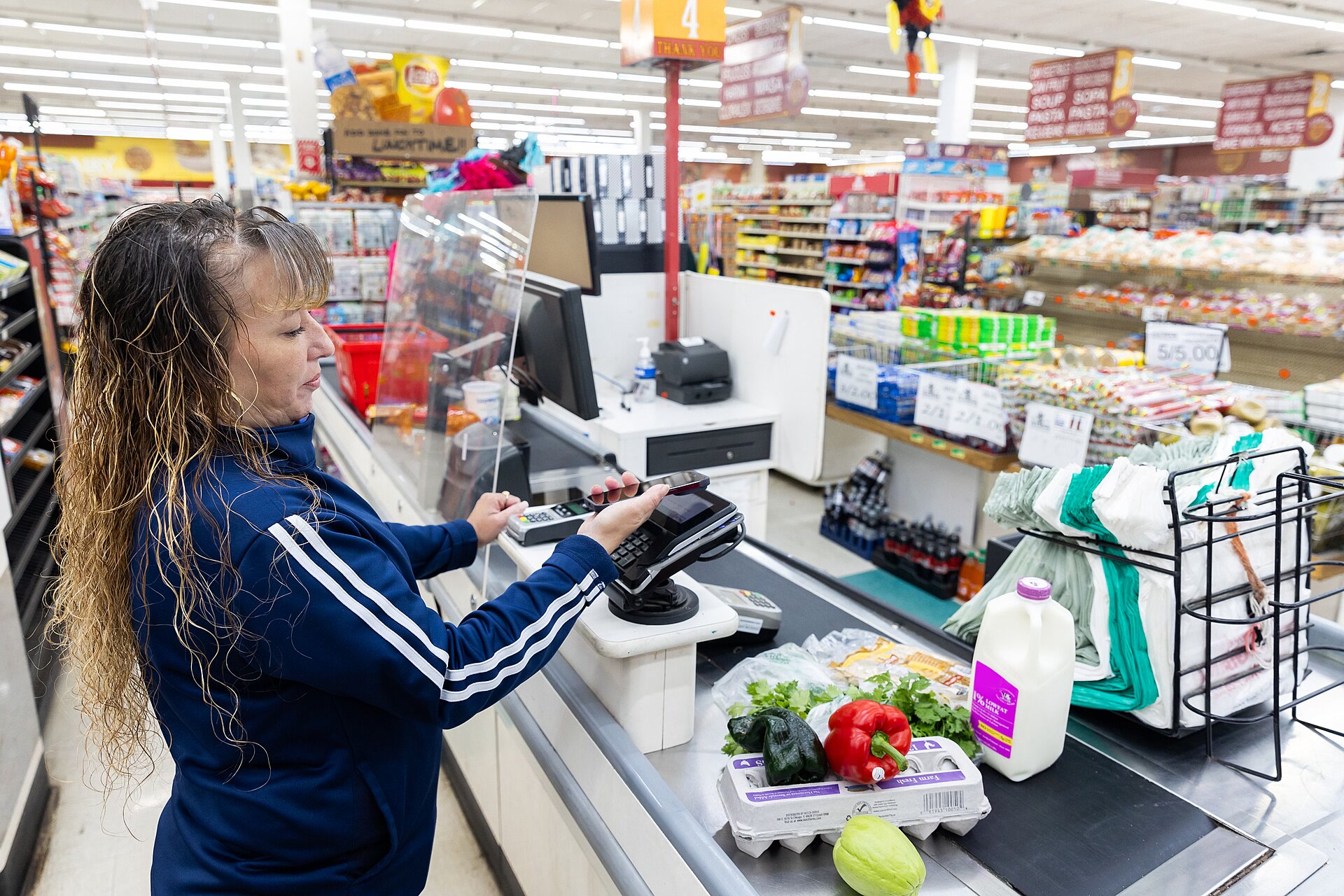
The most common mistake is choosing a payment route that fits the first minute of the order instead of the full lifecycle of the order. That works until the seller changes freight, the quantity is adjusted, one item in a mixed cart goes out of stock, or the warehouse needs one last approval before export. At that point, a direct payment success can still turn into an expensive workflow failure.
We also see buyers underestimate how often payment records need to stay attached to order notes. That is especially true when buying from more than one seller. If the proof of payment, item notes, and inbound parcel data live in different places, every correction gets slower. That is why the strongest route for serious buyers is usually the one that joins payment with operating context, not the one that only pushes money through.
Final Recommendation
The best way to pay Taobao and 1688 from overseas in 2026 is to match the payment route to the operational risk of the order. For simple Taobao retail shopping, direct payment is fine when it works cleanly. For 1688 orders, mixed-platform batches, and anything that needs seller clarification or warehouse coordination, a buying-agent workflow is the stronger recommendation because it keeps payment, order visibility, and post-payment decisions in one chain.
That is the standard we trust most: choose the payment method that still works after the first checkout click. If the route cannot handle seller updates, second payments, or warehouse decisions, it is not actually the best way to pay. It is only the easiest way to start.